
Built for War
How FDR and America Forged the Factories That Won World War II
RELEASES
FEBRUARY 2027
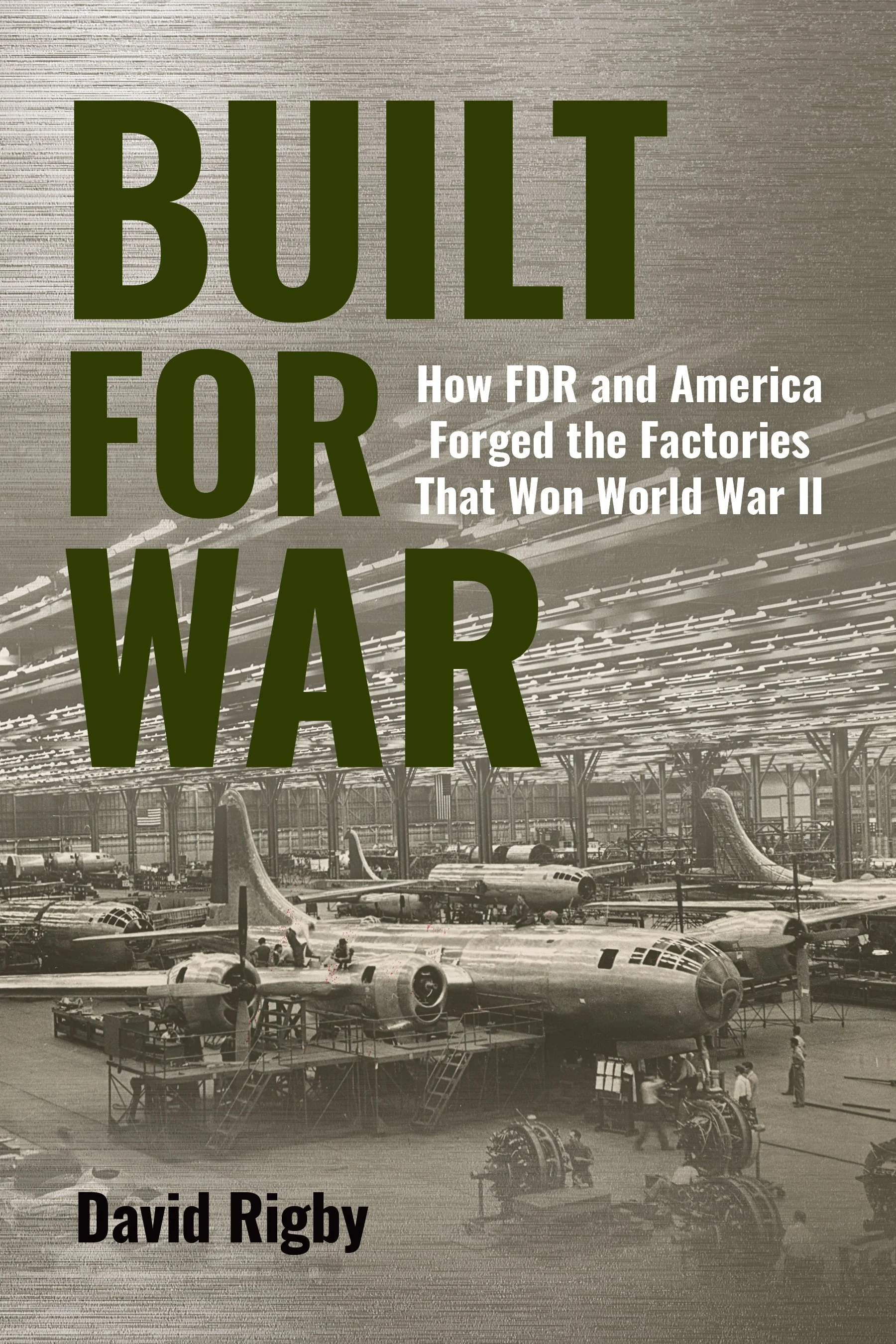
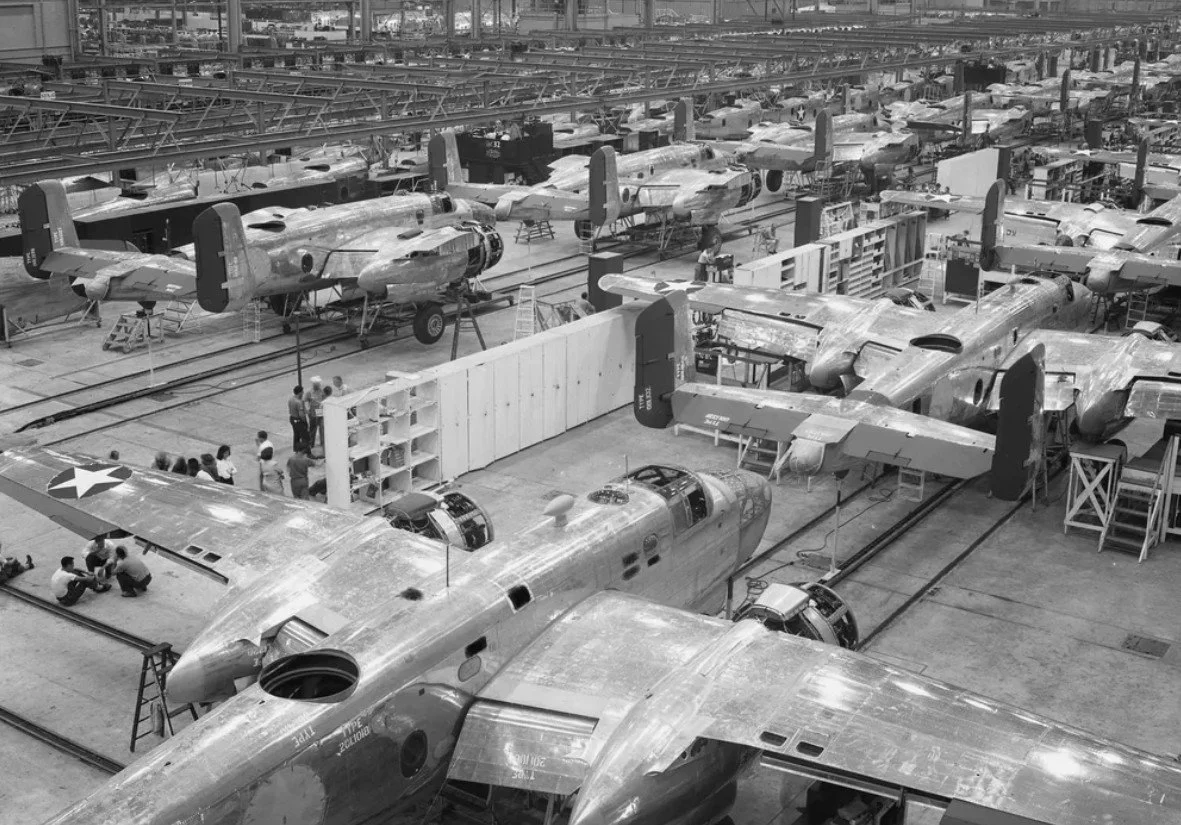
Photo by North American Aviation, Inc. Used by permission of the Boeing Company.
Between 1940-1942, the American government engaged in a taxpayer-funded building spree in which 2,500 new munitions factories, raw materials plants, and shipyards were built in the United States. These facilities, which remained government-owned throughout World War II, included all of the largest and most important industrial properties on the American homefront.
Without these enormous new government-owned factories, Franklin Roosevelt’s “Arsenal of Democracy” would have remained strictly a clever turn of speech instead of being transformed into a war-winning reality. The Allies could not have won World War II had the American government not stepped in to become the largest single owner of industrial real estate in the United States.
February 2027
Publish Date
Naval Institute Press
Publisher
About the Book
Between 1940-1942, the American government engaged in a taxpayer-funded building spree in which 2,500 new munitions factories, raw materials plants, and shipyards were built in the United States. These facilities, which remained government-owned throughout World War II, included all of the largest and most important industrial properties on the American homefront. In telling that story, I open up an entirely new chapter in the narrative of the Arsenal of Democracy. My goal has been to take one step back from the American World War II home front production totals: the 88,000 tanks, the 305,000 aircraft, etc. to instead focus on how the taxpayer-financed munitions factories that built all of this ordnance were themselves paid for and built.
The private companies that operated the new government-owned factories during the war, such as General Motors, Westinghouse, and Boeing, never acknowledged the massive infrastructure debt they owed the federal government. Private industry designed some of the weapons used by American forces during World War II, such as the B-17 and B-29 bombers. Government employees designed others: the M1 infantry rifle and the 105 mm howitzer field gun, for instance. But none of the American wartime weapons systems, be they of private or public design origin, could ever have been put into mass production without the willingness of the federal government to use taxpayer cash to build the nation an entirely new industrial infrastructure between 1940–1942.
Without these enormous new government-owned factories, Franklin Roosevelt’s “Arsenal of Democracy” would have remained strictly a clever turn of speech instead of being transformed into a war-winning reality. This critical infrastructure needed for munitions production never would have been built at all if private industry had been running the American war effort. That means the Allies could not have won World War II had not the American government stepped in to become the largest single owner of industrial real estate in the United States
I bring the story to life by showcasing major players in the wartime industrial mobilization program. These include Undersecretary of War Robert Patterson, Undersecretary of the Navy James Forrestal, and Vice Admiral Emory S. Land, Chairman of the U.S. Maritime Commission. These relatively anonymous government bureaucrats had the authority to dispense the taxpayer cash required to build the new munitions factories. Unfortunately, these men are often overshadowed in accounts of the Arsenal of Democracy by the flamboyant captains of industry from the private sector who operated, but did not own, the new wartime government munitions factories.
The federal government owned all seven of the West Coast shipyards operated during the war by Henry Kaiser. Washington also built and owned all the major aircraft factories during World War II. In fact, roughly 93% of Boeing’s factory floor space was owned by the federal government by 1945. Without the government’s willingness to build all that industrial plant, there would have been no B-17s, no B-29s, no Liberty Ships, no synthetic rubber, and no Sherman tanks. That is my story.
More by David Rigby
-
No Substitute for Victory
-
Wade McClusky and the Battle of Midway
-
In Defense of Wade McClusky