■
Built for War
How FDR and America Forged the Factories that Won World War II
Due out in February 2027 from the Naval Institute Press.
[ MEET THE AUTHOR ]■
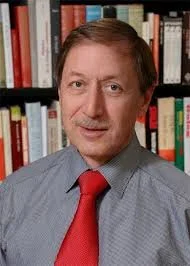
David Rigby is a historian, educator, and award-winning author whose work cuts through the noise of WWII era military history and leadership. Backed by rigorous research and years in educational publishing, he transforms complex conflicts and strategic decisions into sharp, accessible narratives—blending scholarly precision with a relentless focus on human behavior, power, and the lasting consequences of leadership.
Kindle Edition
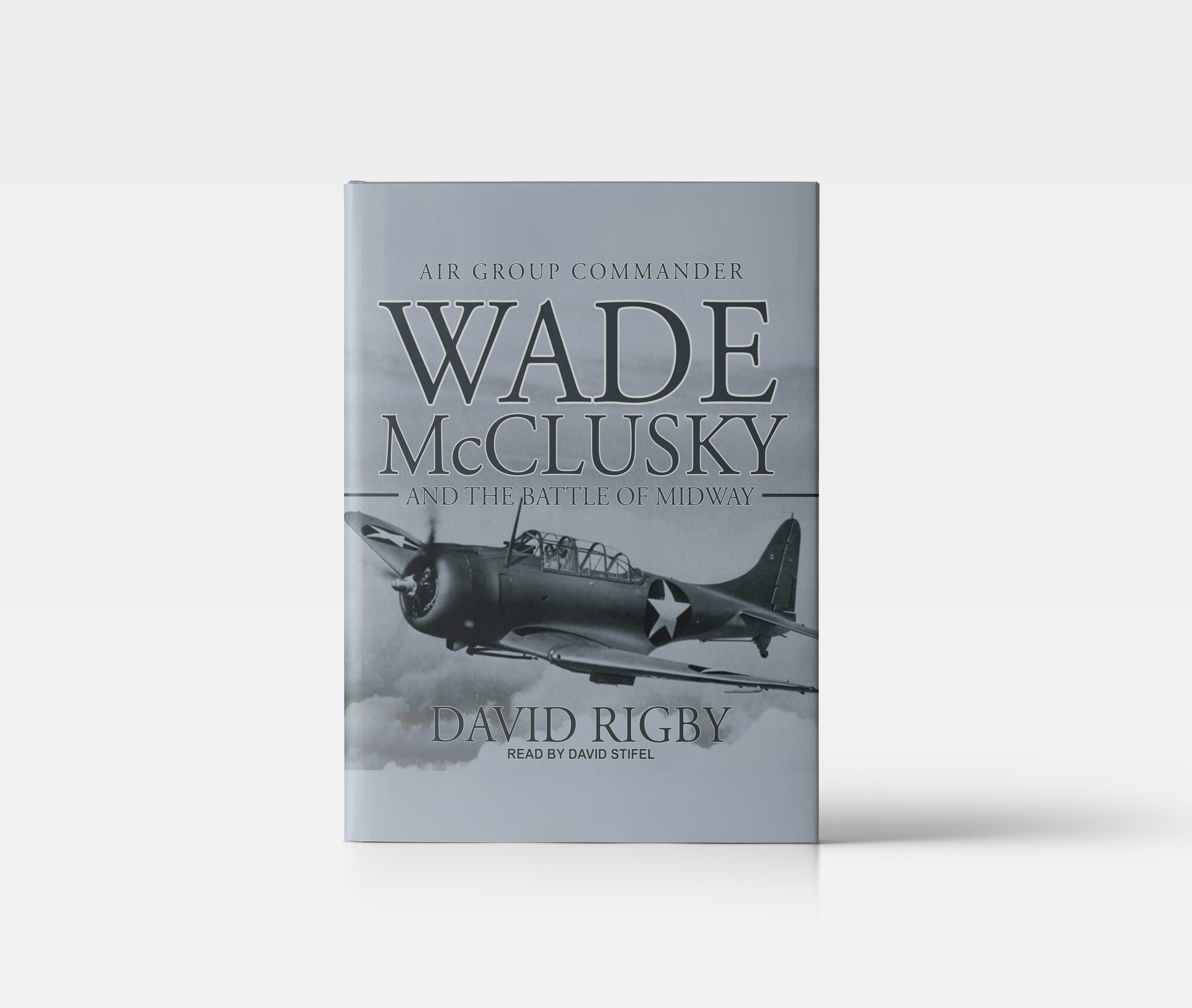
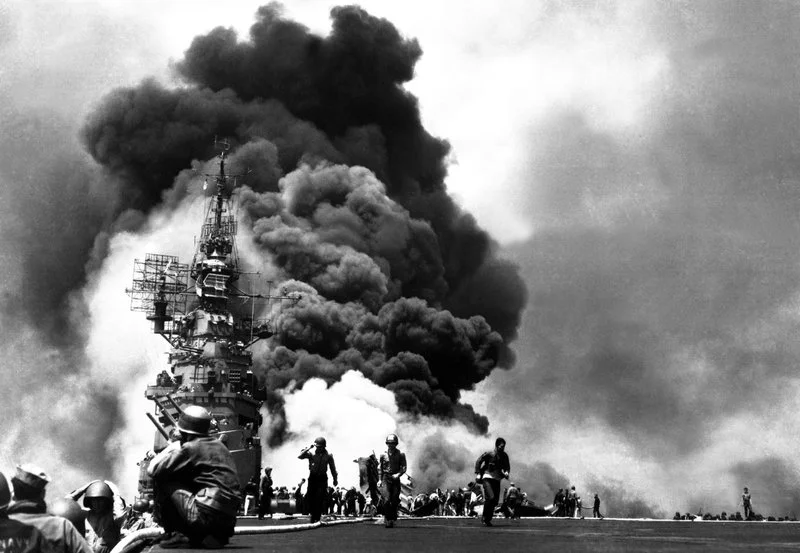
During the Battle of Midway in June 1942, US Navy dive bomber pilot Wade McClusky proved himself to be one of the greatest pilots and combat leaders in American history, but his story has never been told – until now.
It was Wade McClusky who remained calm when the Japanese fleet was not where it was expected to be. It was he who made the counterintuitive choice to then search to the north instead of to the south. It was also McClusky who took the calculated risk of continuing to search even though his bombers were low on fuel and may not have enough to make it back to the Enterprise. His ability to remain calm under enormous pressure played a huge role in the US Navy winning this decisive victory that turned the tide of war in the Pacific.
This book is the story of exactly the right man being in exactly the right place at exactly the right time. Wade McClusky was that man and this is his story.


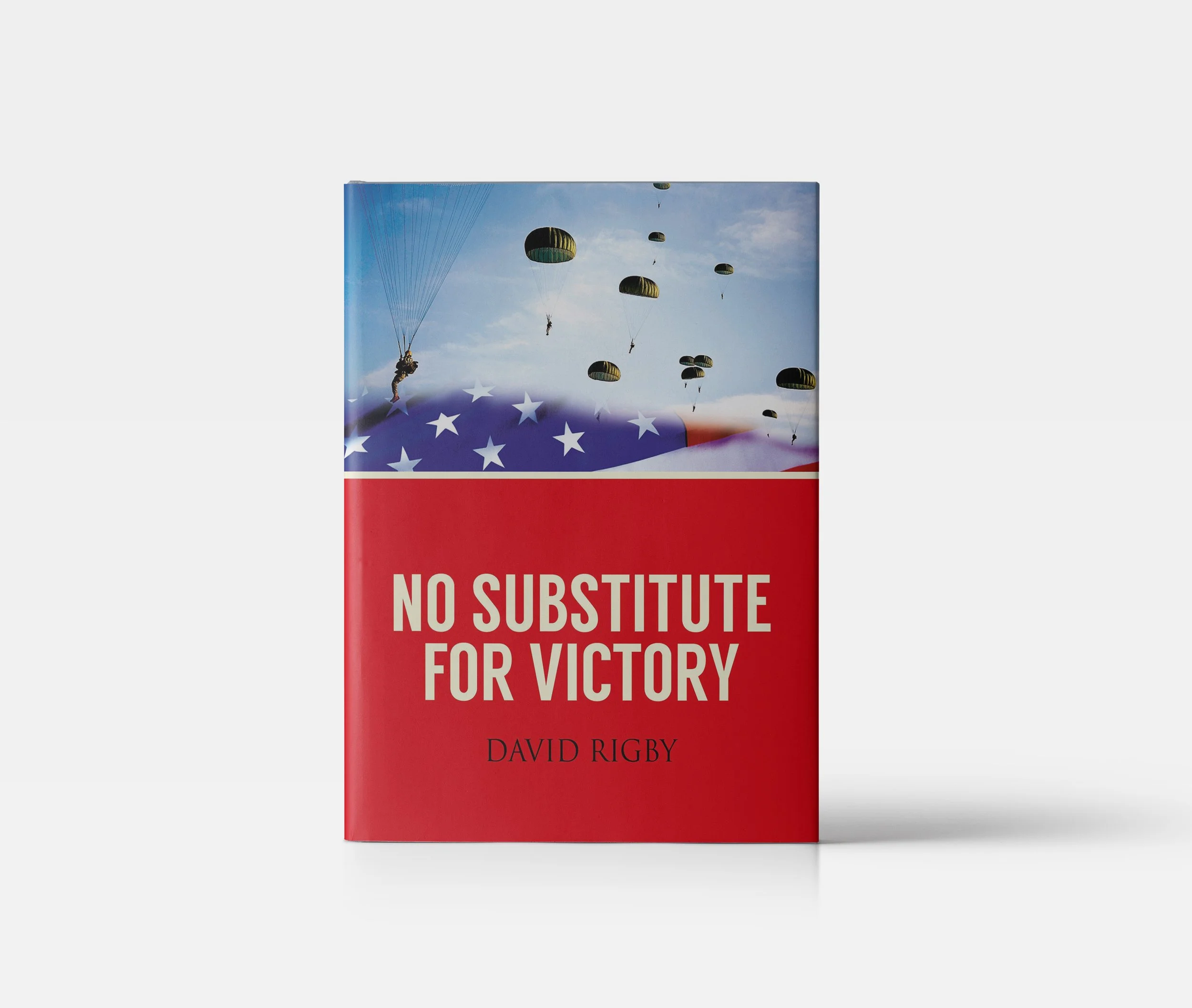
Kindle Edition • May 30, 2019
An important look at how America has won its wars in the past and how it can continue winning in the future.
Is there a recipe for military success? In No Substitute for Victory, author David Rigby grapples with this issue and determines that, in the case of the United States, there are a number of different strategies that have brought victory in battle to American forces over the years.
In a clear, energetic prose, Rigby explains how the dropping of chocolate bars from airplanes over Berlin turned out to be one of the most successful applications of the Cold War strategy of containment. He argues, too, that far from being a radical change in policy by a desperate President Lincoln, the Emancipation Proclamation was in fact an essential part of Lincoln’s plan to reunite the nation. While the focus in No Substitute for Victory is on military maneuvers that have been successful, Rigby brilliantly uses the Vietnam War as a touchstone for comparison purposes on how not to fight a war.

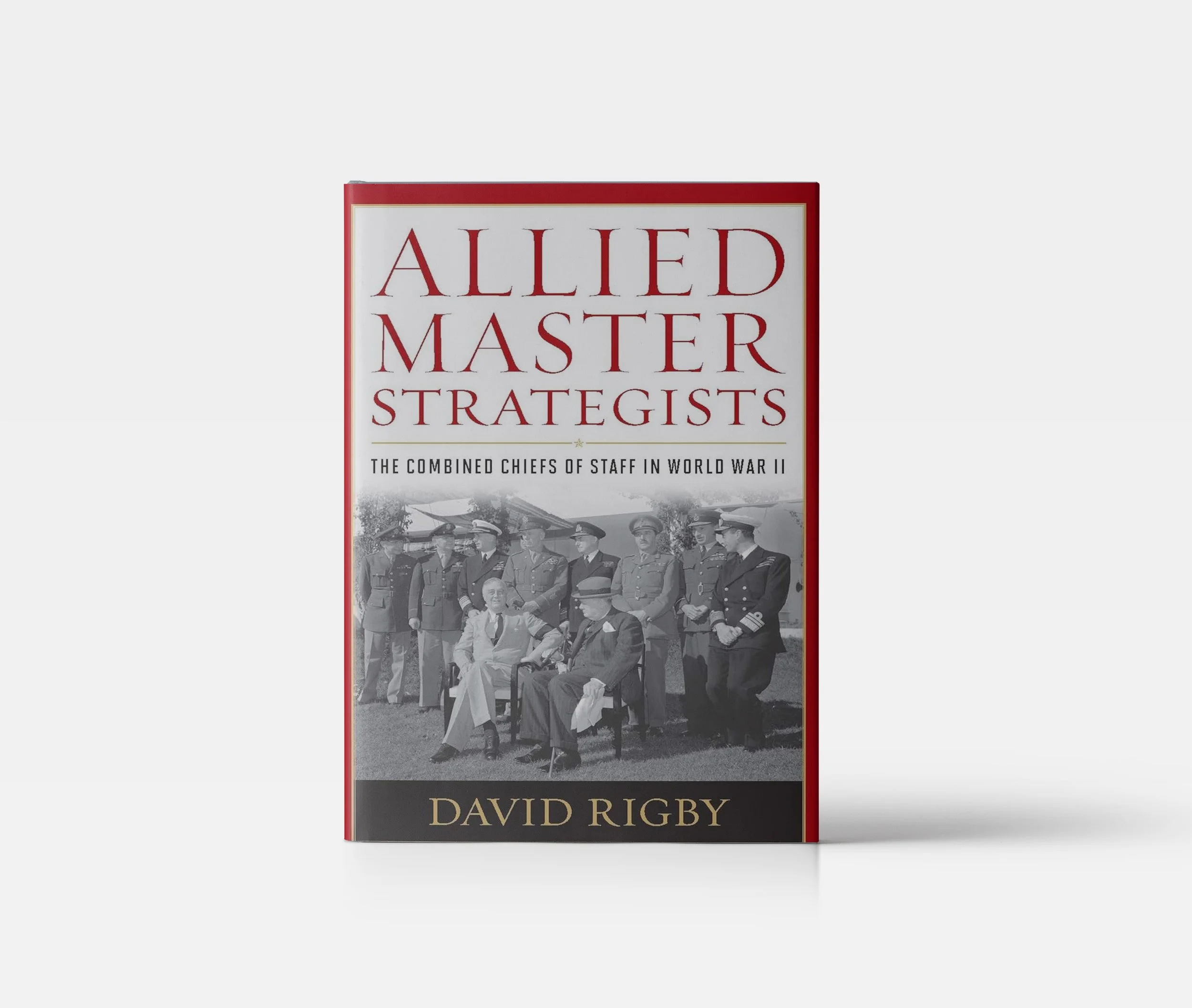
Hardcover • November 15, 2012
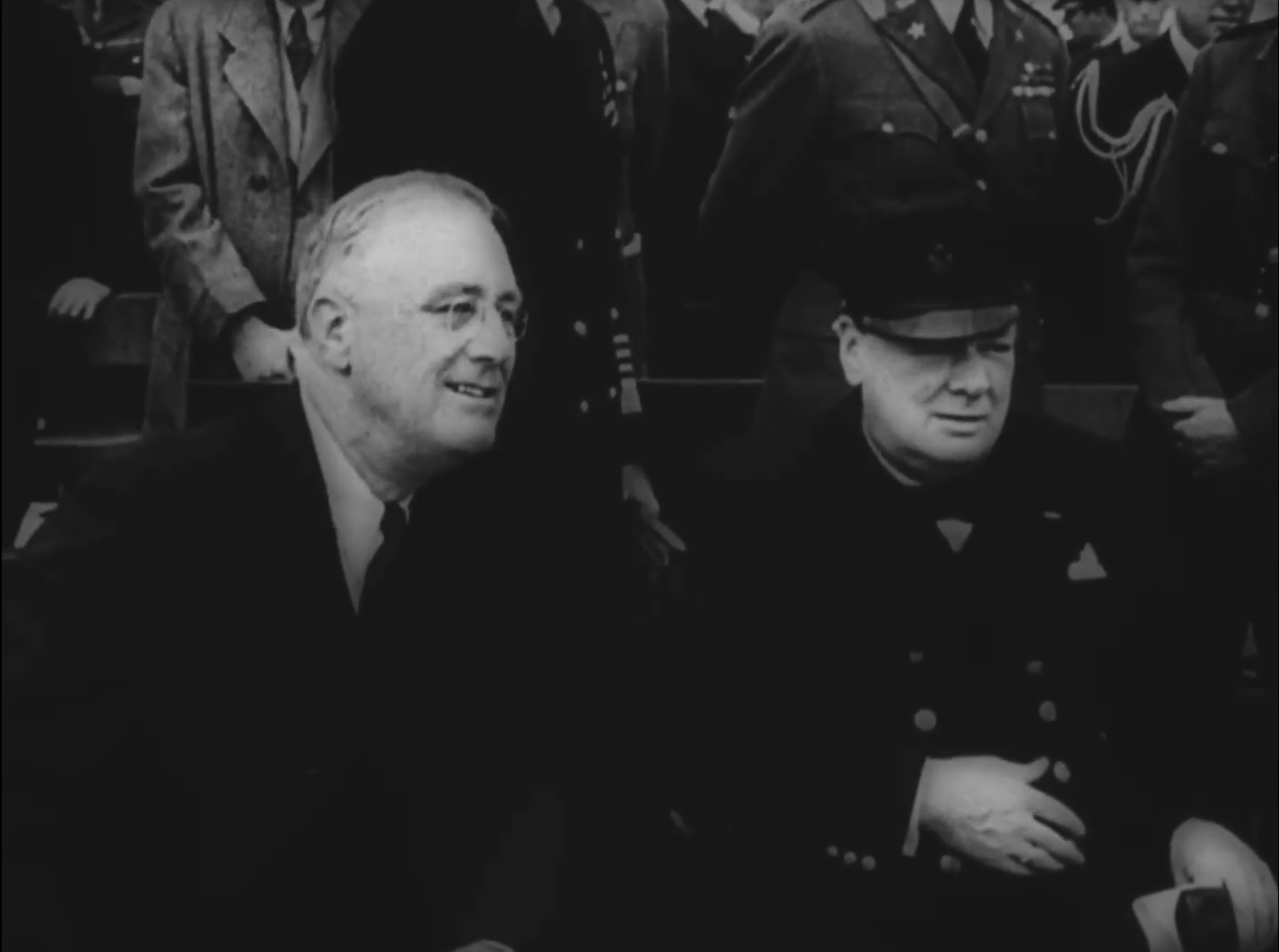
Awarded NASOH's 2012 John Lyman Book Award for Best U.S. Naval History, Allied Master Strategists describes the unique and vital contribution to Allied victory in World War II made by the Combined Chiefs of Staff. Based on a combination of primary and secondary source material, this book proves that the Combined Chiefs of Staff organization was the glue holding the British-American wartime alliance together.
As such, the Combined Chiefs of Staff was probably the most important international organization of the Twentieth Century. Readers will get a good view of the personalities of the principals, such as Field Marshal Sir Alan Brooke and Fleet Admiral Ernest J. King. The book provides insight into the relationships between the Combined Chiefs of Staff and Allied theater commanders, the role of the Combined Chiefs regarding economic mobilization, and the bitter inter-Allied strategic debates in regard to OVERLORD and the war in the Pacific.
This book is a must-read for anyone interested in the British American alliance in World War II. Careful attention is paid in the book to the three organizations that contributed the principal membership of the Combined Chiefs of Staff; i.e., the U.S. Joint Chiefs of Staff, the British Chiefs of Staff Committee, and (in the case of Sir John Dill) the British Joint Staff Mission in Washington. After providing a biographical background of the principal member so the Combined Chiefs of Staff, Rigby provides information on wartime Washington, D.C. as the home base for the Combined Chiefs of Staff organization.

[ TESTIMONIALS ]"Rigby’s meticulous research, shrewd judgment, and literary skill shine forth on every page.”
Bernard Wasserstein, Ulrich and Harriet Meyer Professor of History, University of Chicago